



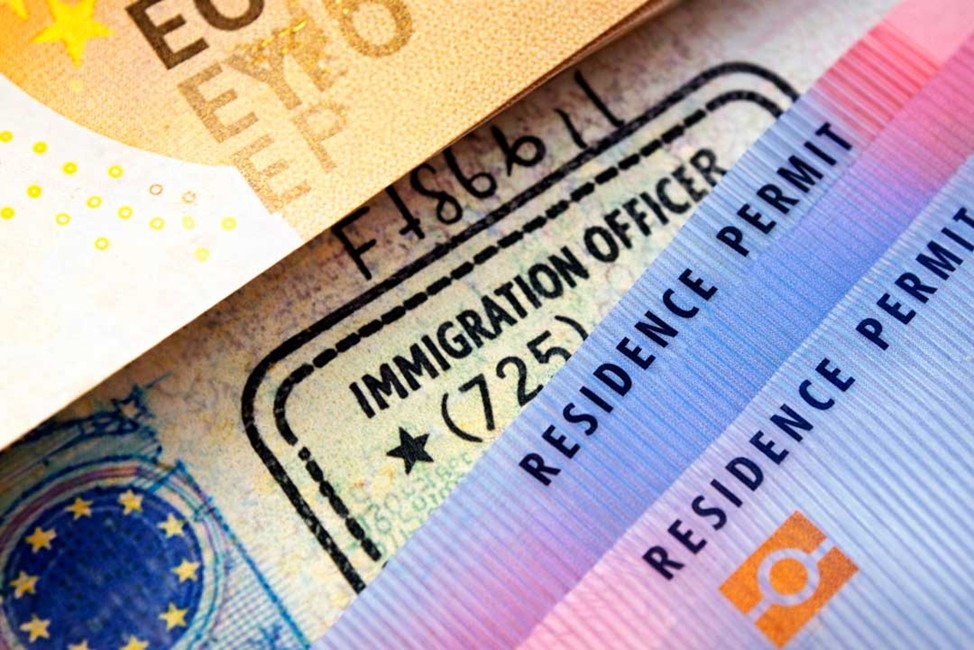
One of the first questions people ask before relocating to Europe is simple: How long will the residence permit process take? The answer, however, depends on multiple factors — including the country, the type of permit, the applicant’s profile, and current immigration workloads.
In 2026, EU residence permit timelines remain structured but vary significantly across member states. Understanding the stages of the process helps set realistic expectations and avoid unnecessary delays.
There Is No “One EU Timeline”
It is important to understand that there is no single EU-wide residence permit system. Each country manages its own immigration process under national law, although certain EU directives create common frameworks.
Processing times therefore differ between countries such as Germany, Spain, Portugal, Poland, or the Netherlands. What may take two months in one country could take six months in another.
Typical Timeline Overview in 2026
For most EU countries, the general process follows this structure:
- Preparation Phase (2–8 weeks). Gathering required documents, obtaining apostilles, translating paperwork, securing accommodation, and arranging health insurance.
- Application Submission & Review (1–4 months). Authorities assess eligibility, verify documents, and conduct background checks.
- Approval & Biometric Issuance (2–6 weeks). Once approved, applicants receive a residence card, often requiring in-person biometric registration.
In total, most applicants can expect the process to take anywhere between 2 and 6 months under normal circumstances.
Fastest EU Countries for Processing
Certain EU states are known for relatively efficient immigration systems, particularly for skilled workers and entrepreneurs. Countries such as Portugal (for specific categories), Estonia (digital nomad programs), and parts of Central Europe may process applications more quickly when documentation is complete.
However, efficiency depends heavily on workload and regional immigration offices.
Countries with Longer Processing Times
In larger EU economies such as Germany, France, and Italy, processing times may be longer due to high application volumes. In some metropolitan areas, applicants report waiting periods of four to six months or more.
Backlogs, additional document requests, or security checks can extend timelines further.
What Can Delay the Process?
Even in countries with faster processing systems, several factors can slow down approval:
- Incomplete or incorrectly prepared documentation.
- Missing legalized or translated documents.
- Inconsistent financial records.
- Insufficient proof of accommodation.
- Background verification checks.
- Seasonal workload increases.
Applicants who prepare documentation carefully often experience significantly smoother timelines.
Does the Type of Permit Affect Timing?
Yes. The purpose of stay strongly influences processing speed.
Work permits linked to employer sponsorship may move faster because companies are involved in the process. Entrepreneur and investor permits may require deeper financial verification. Family reunification permits often involve additional documentation and relationship verification.
Digital nomad programs in certain countries may also have structured processing windows.
What About Permanent Residence?
Permanent residence applications typically take longer than initial temporary permits because authorities review several years of compliance history. In 2026, permanent residence approvals may take anywhere from three to twelve months depending on the country.
Planning Realistically
When planning relocation to the EU, it is wise to assume the process will take at least three to four months from preparation to final approval. Starting early, preparing documents thoroughly, and understanding country-specific requirements significantly reduce stress and delays.
Rushing the process often leads to mistakes that extend timelines rather than shorten them.
In 2026, obtaining a residence permit in the European Union remains a structured and achievable process — but not an instant one. While timelines vary by country and permit type, most applicants can expect a process lasting between two and six months under standard conditions.
Careful preparation, complete documentation, and awareness of national regulations remain the key factors in ensuring a smooth and timely approval.
 Other news